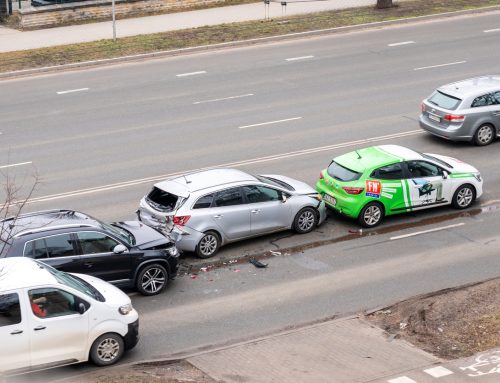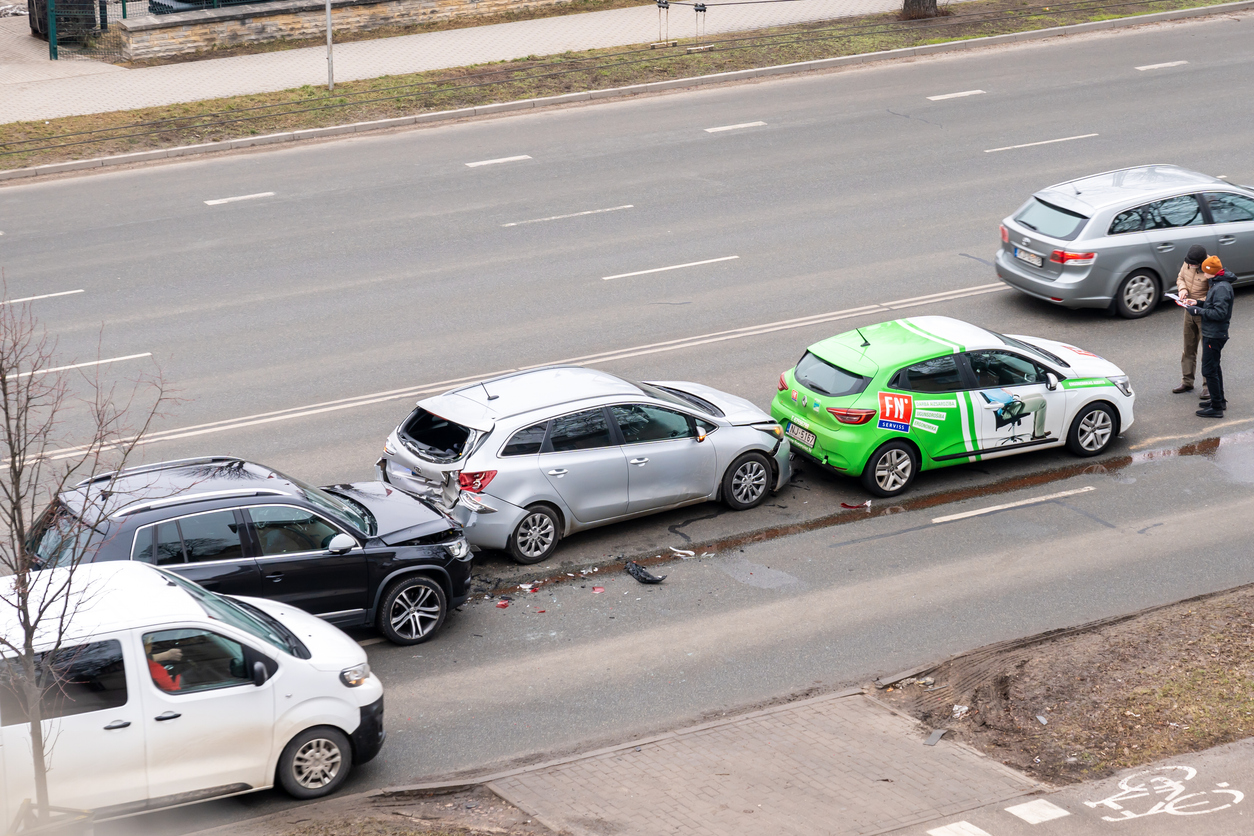


Car accidents can be stressful and confusing, especially in the moments immediately afterward. Emotions are high, details can feel unclear, and people are often trying to process what just happened. Unfortunately, the situation can become even more complicated when the other driver tells a different version of events or denies responsibility altogether.
At Reid Law Group, we’ve seen many situations where drivers deny responsibility, change their story, or attempt to shift blame after a crash. While this can feel frustrating and overwhelming for the person who knows what really happened, conflicting accounts do not automatically determine who is at fault.
In many cases, the truth can still be uncovered through careful investigation, documentation, and evidence.
Conflicting Stories After an Accident Are More Common Than You Think
After an accident, it’s not unusual for drivers to disagree about key details surrounding the crash. For example, drivers may dispute:
- Who had the right of way
- Whether a traffic signal or stop sign was followed
- Which vehicle changed lanes
- Whether a driver was speeding
- How the collision occurred
Sometimes these differences are the result of confusion, shock, or honest misunderstandings in the chaotic moments following a crash. Other times, drivers may attempt to avoid responsibility by altering their version of events or minimizing their role in the accident.
Either way, insurance companies and legal professionals do not rely solely on the statements of the drivers involved. Instead, they examine the available evidence to determine what most likely occurred.
How Fault Is Actually Determined
Determining responsibility after an accident involves looking at multiple sources of information rather than relying on one person’s story. Insurance adjusters, investigators, and attorneys typically review several types of evidence when evaluating a claim.
This may include:
- Police reports created at the scene
- Statements from witnesses who observed the accident
- Photographs of the vehicles and surrounding area
- The pattern and location of damage to the vehicles
- Applicable traffic laws and right-of-way rules
When these pieces of information are analyzed together, they often reveal a much clearer picture of how the crash occurred and who may be responsible.
The Role of Police Reports and Witness Statements
Police reports often play an important role in documenting the immediate aftermath of an accident. When officers respond to the scene, they may record important observations about the roadway, vehicle positioning, and statements from the drivers involved.
In some cases, officers may also note whether a traffic violation appears to have occurred, such as running a red light, failing to yield, or following too closely.
Witnesses can also provide valuable perspectives. Because witnesses are not directly involved in the accident, their accounts can help clarify disputed details and provide a more neutral explanation of what happened.
Even one reliable witness statement can sometimes make a significant difference in determining fault.
Video Footage and Vehicle Data Can Reveal the Truth
Today, technology often provides additional evidence that was not available in the past. Many accidents are now captured through various forms of video or digital data.
Evidence may come from sources such as:
- Traffic intersection cameras
- Surveillance cameras from nearby businesses
- Dash cameras installed in vehicles
- Vehicle event data recorders (sometimes called “black boxes”)
These sources can provide objective information about vehicle speed, braking patterns, direction of travel, and driver actions leading up to the collision. In many cases, this type of evidence can help confirm exactly how the accident occurred.
How Attorneys Help Uncover What Really Happened
When fault is disputed, having experienced legal representation can make a significant difference. An attorney can help gather and analyze evidence that may not be immediately available after the accident.
At Reid Law Group, we may work with investigators, accident reconstruction experts, and other professionals to examine the details of the crash. This process can include reviewing photographs, analyzing vehicle damage patterns, obtaining surveillance footage, and identifying additional witnesses.
By carefully assembling the available evidence, our team works to build a clear and well-supported understanding of how the accident occurred.
Protecting Your Rights After a Disputed Accident
When another driver tells a different story about an accident, it can feel as though the truth is being overshadowed. However, statements alone rarely determine the outcome of a case. Evidence, documentation, and thorough investigation often reveal what really happened.
If you’ve been involved in an accident where fault is disputed, Reid Law Group is here to help. Our team works to uncover the facts, protect your rights, and pursue the compensation you deserve so you can focus on moving forward after the accident.