
After a personal injury claim is settled, most people feel a sense of relief. The case is over, the compensation has been received, and it seems like it’s time to move forward.
But what happens if new problems arise?
Maybe your pain gets worse. Maybe you need additional treatment. Maybe medical bills continue to come in. It’s natural to wonder: Can I reopen my case?
At Reid Law Group, this is a question we hear more often than you might expect. The answer is important—and understanding it can help you avoid costly mistakes.
What It Means to Settle a Personal Injury Claim
A settlement is an agreement between you and the insurance company to resolve your claim. In exchange for compensation, you agree to close the case and not pursue further legal action related to the accident.
As part of that process, you will typically sign a document called a release of liability.
This document is critical. It states that once the settlement is finalized, you are giving up your right to seek additional compensation for anything related to that incident—both now and in the future.
In other words, a settlement is meant to fully resolve your claim.
Why Settlements Are Usually Final
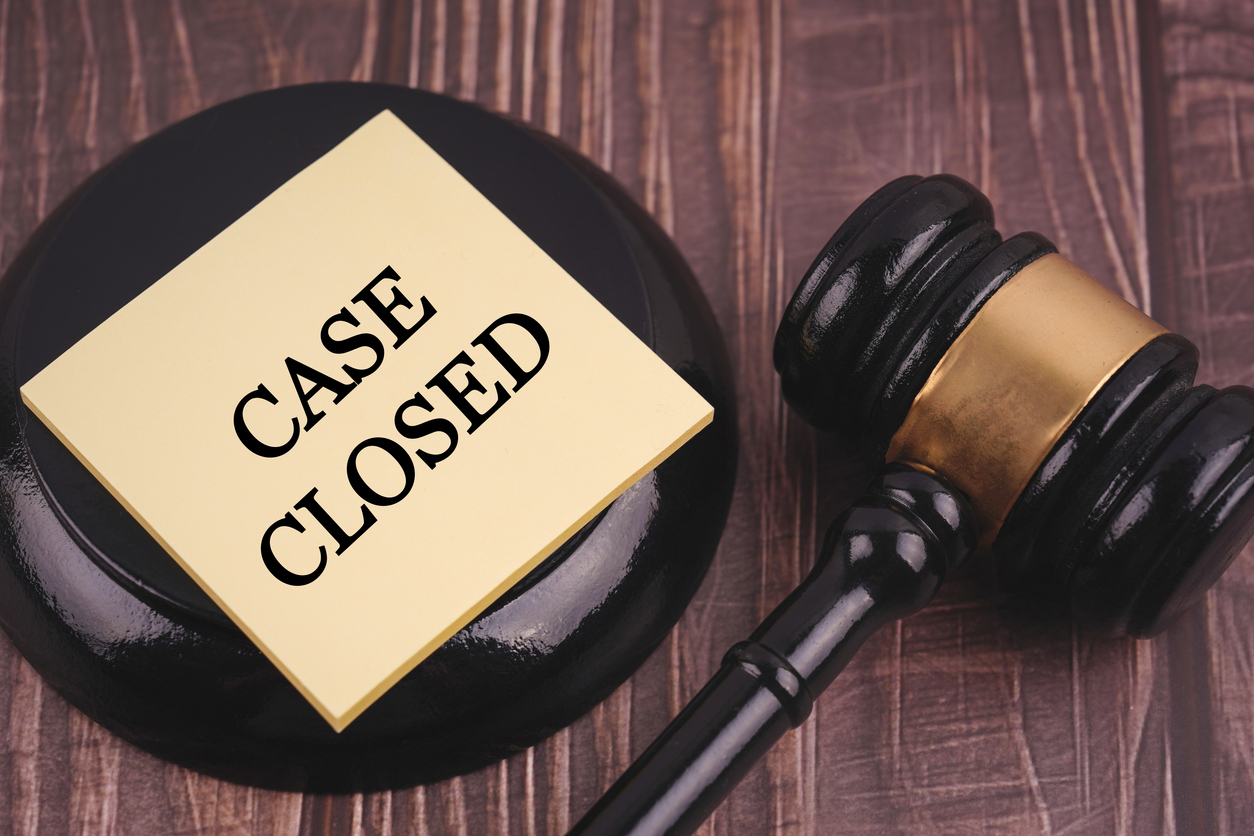
In most cases, once a settlement is signed and completed, it is final.
That means even if:
- Your injuries turn out to be more serious than expected
- You need additional medical treatment
- Your recovery takes longer than anticipated
You generally cannot go back and ask for more compensation.
This finality is what gives both sides closure. Insurance companies rely on it, and the legal system is structured around it.
While this may seem strict, it’s also why careful evaluation before settlement is so important.
Why People Want to Reopen Their Case
It’s very common for people to question a settlement after the fact. Some of the most common reasons include:
Injuries That Get Worse Over Time
Not all injuries are fully understood right away. What seemed manageable at first may develop into something more serious, such as chronic pain or the need for surgery.
Unexpected Medical Expenses
Additional treatment, therapy, or follow-up care can lead to bills that were not anticipated when the case was settled.
Lost Income or Long-Term Impact
Some individuals realize later that their injuries affect their ability to work or earn income in ways they didn’t initially expect.
Pressure to Settle Too Early
Financial stress or quick offers from insurance companies can lead people to settle before they fully understand the extent of their injuries.
Are There Any Situations Where a Claim Can Be Reopened?
In general, reopening a settled personal injury claim is extremely difficult. However, there are a few rare exceptions.
Fraud or Misrepresentation
If a settlement was based on false or misleading information, there may be grounds to challenge it. These situations are uncommon and require strong evidence.
Errors in the Agreement
Clerical or administrative mistakes in settlement documents may create limited opportunities for correction.
Claims Involving Minors
In some cases involving children, settlements must be approved by the court. Additional protections may apply.
Incomplete Settlements
If all responsible parties were not included in the original settlement, there may still be avenues to pursue other claims.
It’s important to understand that these are exceptions—not the rule.
Why Timing Matters Before You Settle
One of the most important factors in any personal injury case is timing.
Before settling, it’s critical to have a clear understanding of:
- The full extent of your injuries
- Your expected recovery timeline
- Any future medical needs
This is often referred to as reaching maximum medical improvement (MMI)—the point where your condition has stabilized enough to evaluate long-term impact.
Settling before this point can lead to accepting compensation that does not fully reflect your situation.
Why Insurance Companies Push for Early Settlements
Insurance companies often try to resolve claims quickly. While this may seem convenient, it often works in their favor.
Early settlement offers are typically based on limited information. At that stage, the full extent of injuries—and future costs—may not yet be known.
By settling early, insurance companies may reduce their overall payout and avoid the risk of larger claims later.
This is why it’s important to fully understand your situation before agreeing to any offer.
What to Do If You’ve Already Settled and Have Concerns
If you’ve already settled your case and are now experiencing new issues, it’s still worth having your situation reviewed.
You should:
- Carefully review your settlement documents
- Speak with an experienced personal injury attorney
- Determine whether any exceptions or additional claims may apply
While reopening a claim is rare, there may still be options depending on the circumstances.
How to Avoid Settling Too Early
The best way to avoid this situation is to make informed decisions during the claims process.
This includes:
- Following your full course of medical treatment
- Understanding how your injuries affect your daily life and future
- Taking time to evaluate the true value of your case
- Seeking legal guidance before accepting a settlement
A settlement should reflect not just your current situation—but what lies ahead.
Why Legal Representation Matters
Personal injury claims involve more than just immediate medical bills. They often include long-term considerations that aren’t always obvious right away.
At Reid Law Group, we help clients:
- Evaluate the full scope of their injuries
- Understand future medical and financial impact
- Avoid settling before all information is known
- Negotiate for fair and complete compensation
Our goal is to ensure that when a case is resolved, our clients feel confident—not uncertain—about their decision.
In most cases, once a personal injury claim is settled, it cannot be reopened. That’s why understanding the full picture before agreeing to a settlement is so important.
If you’re considering settling your case—or if you’ve already settled and have questions—Reid Law Group is here to help. Our team can review your situation, explain your options, and help you make informed decisions that protect your future.